
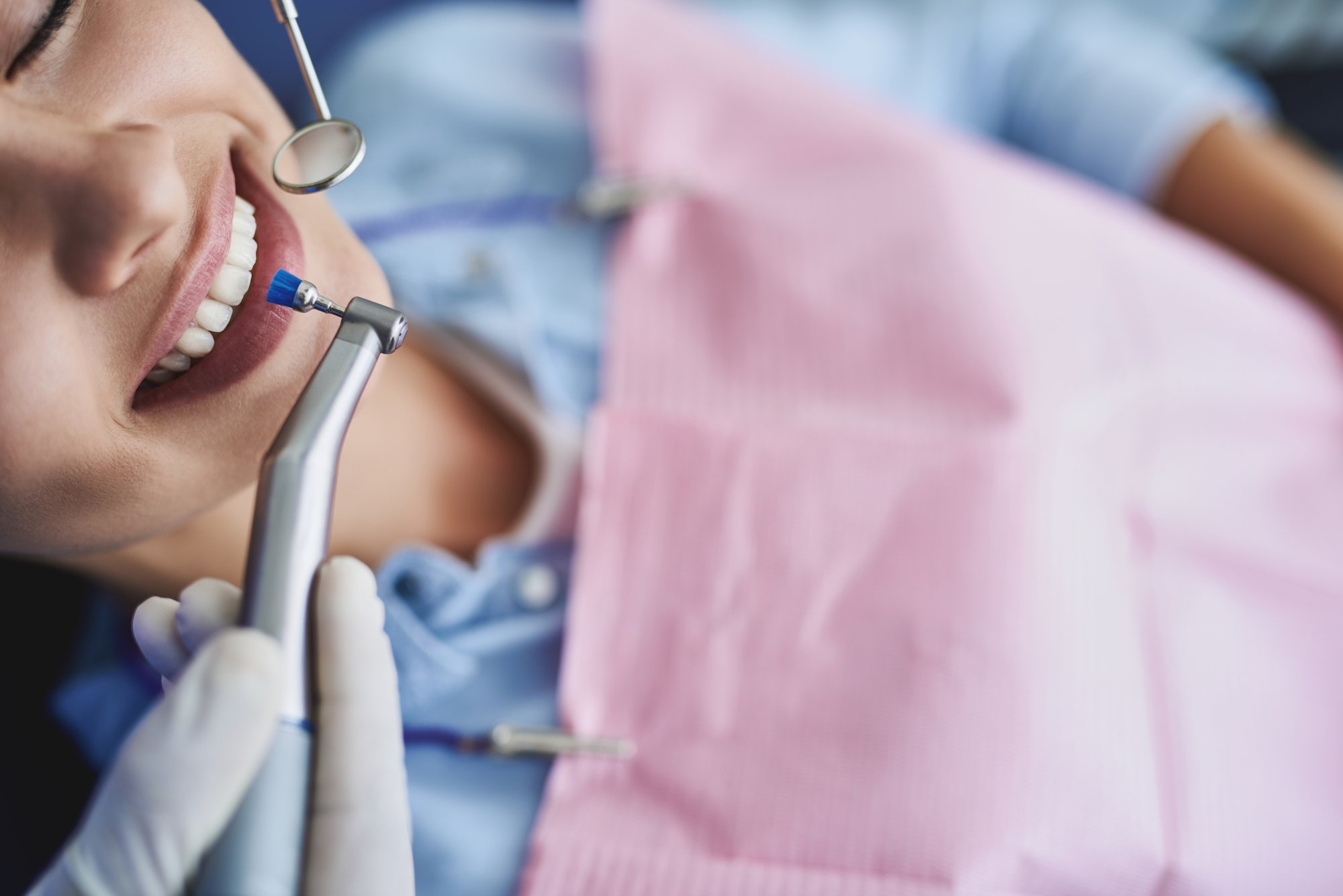
Why does menopause seem to touch nearly everything, from sleep to mood to even the way your teeth feel? The hormonal changes of this stage reach further than most people expect, and the mouth is often one of the first places those effects appear. The risk of tooth loss can creep upward during menopause as bone density shifts, gum tissue changes, and saliva production tapers off. Keeping up with routine dental exams through these years is one of the most effective ways to stay ahead of the changes before they turn serious.
##Key Takeaways- Declining estrogen during menopause can play a part in bone loss in the jaw.
-
Gum tissue grows more sensitive and more prone to inflammation during menopause.
-
Dry mouth and menopause are closely tied, and less saliva means a higher cavity risk.
-
Spotting changes early is the best way to bring down the risk of tooth loss over time.
-
Routine cleanings and solid home care remain the most dependable prevention.
Table of contents
- Key Takeaways
- Estrogen and Oral Health Are More Connected Than You Think
- Bone Loss and Menopause: The Bigger Picture
- Menopause and Gum Disease
- Dry Mouth and Menopause
- Frequently Asked Questions
- Staying Ahead of the Changes
##Estrogen and Oral Health Are More Connected Than You ThinkEstrogen does far more for oral health than most people are ever told. The hormone helps keep inflammation in check, supports blood flow to soft tissue, and contributes to bone density across the body. As estrogen levels fall during menopause, each of those systems feels the shift. The gums, the salivary glands, and the jawbone all react, often in quiet ways that accumulate over time.
That is why patients in Riverside County and beyond often notice new symptoms in the mouth during menopause, even when nothing about their hygiene routine has changed. The change is unfolding at a deeper level than brushing or flossing alone can reach.
##Bone Loss and Menopause: The Bigger PictureBone loss and menopause are a well-documented pair. The same hormonal changes that drive osteoporosis throughout the body also affect the bone holding your teeth in place. The jawbone slowly loses density in the years after menopause, and that loss frequently goes unnoticed until a routine X-ray or exam brings it to light.
As the supporting bone shrinks, teeth that once felt firmly anchored can start to feel slightly loose. Patients with a past history of gum disease face even greater risk, since the two issues feed off each other. This ranks among the main reasons the risk of tooth loss climbs during this stage of life.
##Menopause and Gum DiseaseMenopause and gum disease tend to travel together. The hormonal shift leaves gum tissue more sensitive and more reactive to bacteria. Many patients notice that their gums bleed more readily while brushing, look a bit redder, or feel tender even though their home care has stayed the same.
Left untreated, that kind of inflammation can advance into a more serious form of gum disease that breaks down the bone and tissue supporting the teeth. Once that damage sets in, reversing it becomes far harder. Catching the early warning signs at a routine visit is the single best way to keep gum disease from feeding into tooth loss.
##Dry Mouth and MenopauseDry mouth and menopause are another tightly linked pair. The dip in saliva during these years is often faint at first, but the effects gather over time. Saliva does much more than keep your mouth comfortable. It rinses away bacteria, balances out acids, and helps shield tooth enamel from decay.
Without that protection, the odds of cavities and gum irritation go up. Staying well hydrated, chewing sugar-free gum, and asking your dentist about saliva-supporting products all make a difference. Spotting dry mouth early gives your dental team room to manage it before it grows into something larger.
##Frequently Asked Questions
Should I see my dentist more often during menopause?
Many patients do well with cleanings every three to four months during and after menopause, particularly if they notice gum changes or have a history of gum disease. Your dentist can suggest the right interval based on your individual situation.
Are there specific home care changes I should make?
Switching to a soft-bristled brush, using fluoride toothpaste, and staying consistent with flossing all help protect the gums and teeth through this stage. A water flosser or interdental brush can be a helpful addition if your gums feel sensitive.
Does hormone replacement therapy affect my oral health?
Hormone replacement therapy can shape some of the oral changes tied to menopause, though the effects differ from one patient to the next. Sharing your full medication and supplement list at each visit helps your dentist coordinate care with the rest of your health team.
##Staying Ahead of the ChangesThe risk of tooth loss does not have to spiral into something unmanageable simply because menopause is in the picture. Most of the changes that drive that risk are well understood and well controlled when they are caught early. Routine dental exams give your dentist a clear look at what is happening with your bone, your gums, and your saliva. With steady care and a thoughtful plan, the changes of menopause stay where they belong, in the background rather than the spotlight.
- Want to learn more about caring for your smile during menopause? Visit our Dental Exams in Wildomar, CA page to schedule a consultation.